

How to Organize Your Kitchen Pantry for Maximum Efficiency
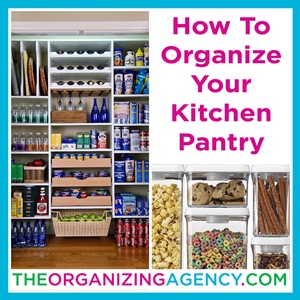
Organizing your kitchen pantry doesn’t have to feel overwhelming. A functional pantry makes meal prep faster, reduces waste, and saves money on groceries. A well-structured pantry means you always know what you have, what you need, and where everything lives. Explore more of our kitchen organizing tips for inspiration throughout your home.
Why Pantry Organization Matters
If your pantry feels like a black hole, you’re not alone. When items get buried, food expires before you even notice it. A well-organized pantry keeps staples within sight and within reach. Clear zones allow you to cook faster, shop smarter, and avoid last-minute stress.
A clean pantry also simplifies meal planning. When essentials have a home, you avoid buying duplicates. You’ll save time in the kitchen and stay more organized throughout your house. If you want to build organizing habits that support your whole home, explore our full home organizing services.
Step 1: Clear Everything Out
Start by emptying your pantry completely. Seeing everything at once gives you a clear picture of what you own. Group similar items together like canned goods, baking supplies, snacks, and paper products.
Throw away expired food, dented cans, or things you never use. If you haven’t used an item in the past year, let it go. Donate unopened goods when possible. This step frees valuable space for items you reach for often. If you’re decluttering multiple areas at once, read our guide on how to declutter your home to stay focused and efficient.
Step 2: Sort and Categorize
Sort your pantry items into categories. For example: breakfast, baking, snacks, pasta, canned goods, and drinks. Place like with like so you always know where to find specific items.
Use clear containers, bins, and baskets to keep categories together. Choose containers that fit your shelf sizes and pantry layout. Clear containers help you see contents at a glance, which prevents forgotten food and excess spending. Apply the same logic to your cabinets with our guide to organizing kitchen cabinets.
For additional inspiration, look into the USDA’s guidelines for proper food storage, which can help you decide where certain pantry items belong.
Step 3: Make Everything Visible
Visibility keeps your pantry functional. Put frequently used items at eye level where you can grab them quickly. Store heavy or bulky items on lower shelves. Keep high shelves for lighter goods you reach for less often.
Slide-out baskets and door racks help with small cans or bottles. A Lazy Susan works well on deeper shelves to prevent items from hiding in the back. Once your pantry feels easier to navigate, take the next step and organize your kitchen drawers to improve the entire kitchen flow.
Step 4: Label Your Zones
Labels keep systems in place. Label bins, baskets, and shelves so everyone in your household knows where things belong. Labels also change how you shop. When an item runs low, you’ll see it faster and avoid impulse purchases.
Create zones like Breakfast, Snacks, Baking, and Meal Prep to save time and maintain structure. A labeled system supports better inventory habits and reduces food waste.
Step 5: Track What You Use Most
Once your pantry looks great, maintain it with routine check-ins. Pay attention to the items you go through fastest. Keep these staples closer to the front or on shelves you see often. Rotate older items forward so they get used first.
Take inventory every few weeks to prevent duplicate buys and food waste. An organized pantry also helps you simplify your meal planning, especially when you pair it with consistent weekly systems. You can explore more strategies in our related posts on simplifying routines and managing household items.
For external credibility, Harvard’s School of Public Health offers guidance on building a healthy, well-stocked pantry that supports smart meal planning.
Step 6: Add Pantry Tools That Work
Baskets and bins add structure and make organization easier. For deep shelves, consider tiered risers or clear bins that keep everything visible. Acrylic bins and pantry can organizers keep small items contained. Lazy Susans simplify grabbing frequently used sauces or spices.
Measure your shelves before buying organizers so everything fits. A good fit saves you money and prevents clutter from creeping back in. To maximize efficiency in this zone, learn how to organize your spices with simple, sustainable systems.
For additional best-practice tips, the FDA’s food safety guidelines offer helpful advice about proper storage and shelf-life considerations.
Keep Your Pantry Organized Long Term
Pantry organization works only if you maintain it. Keep categories consistent and return items to their zones after use. Check your pantry before shopping to prevent overbuying. When you build simple habits into your routine, your pantry stays organized with far less effort.
If you want expert help customizing your pantry, cabinets, or full kitchen, explore our professional kitchen organizing services and create a system that fits your lifestyle.

Written by Scott Roewer
Certified Professional Organizer®, Scott Roewer is founder of The Organizing Agency, a professional organization and productivity company devoted to teaching residential and business clients how to increase productivity, save money, and how to live a more organized and abundant life.
An award winning company, in 2013, The Organizing Agency was once again awarded the Angie’s List Super Service award, in 2012 the National Association of Professional Organizers recognized Scott with its top honor, the Founders’ Award, and later the same year, the U.S. Air Force commended his volunteerism, naming him Joint Base Andrews “Hometown Hero.” For more information on Scott’s team and how they can help you, contact the office online or call us directly at 202-249-8330.